PIALIEN / Deep Space Research
Home
What We Discovered  /  Organisms
PIALIEN XENOBIOLOGY DIVISION — 2025–2104 EXPEDITION

Organisms

110 Confirmed Species

12 Systems, 39 planets

79 Years

Completed Analysis

SCROLL
Field Specimens
01 — 09
CLASS: BIOLUMINESCENTA
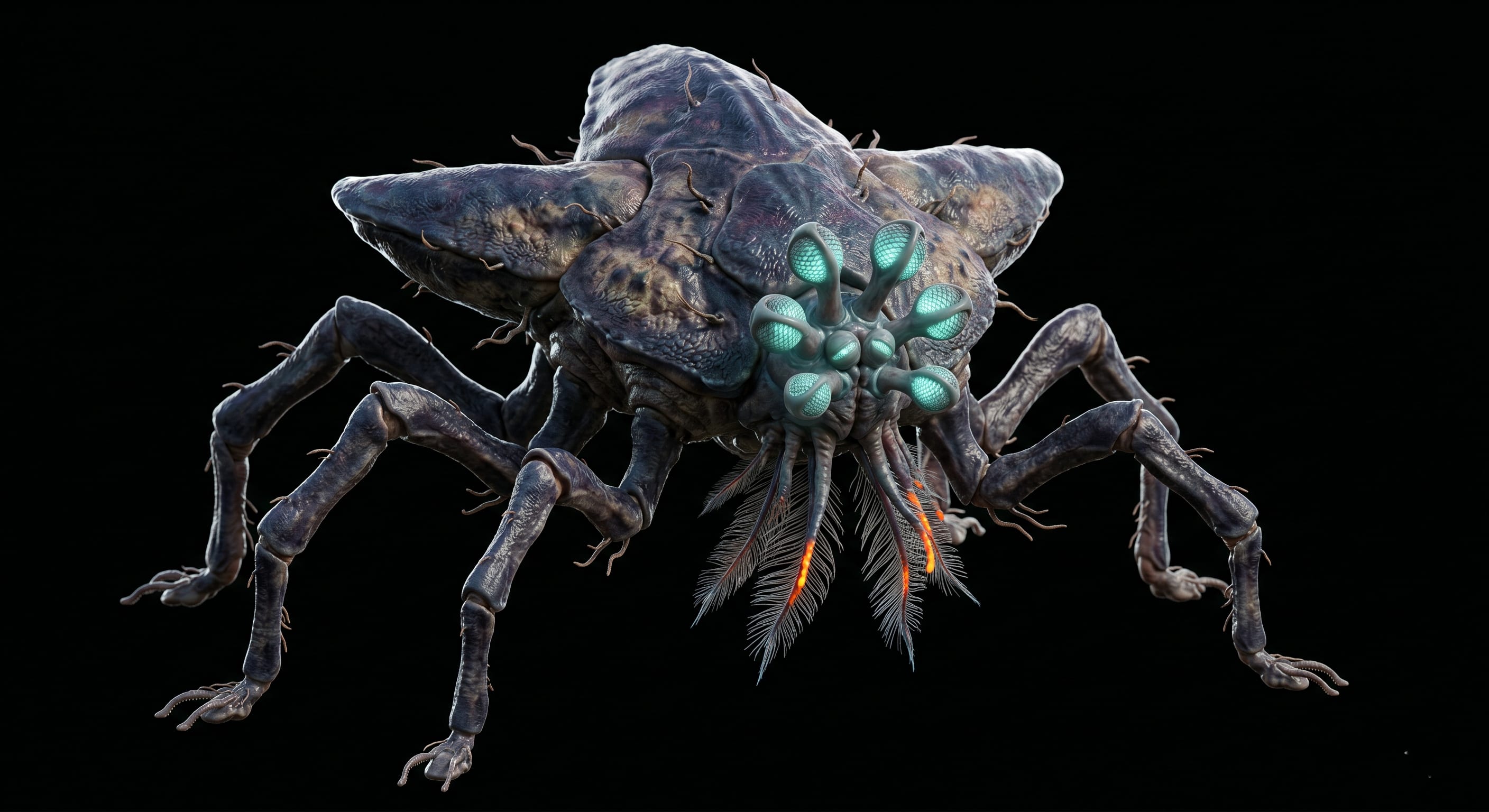
Veyloris Noctis
SPECIMEN 001 / KEPLER-442b

Veyloris
Noctis

Veyloridae · Luminarae

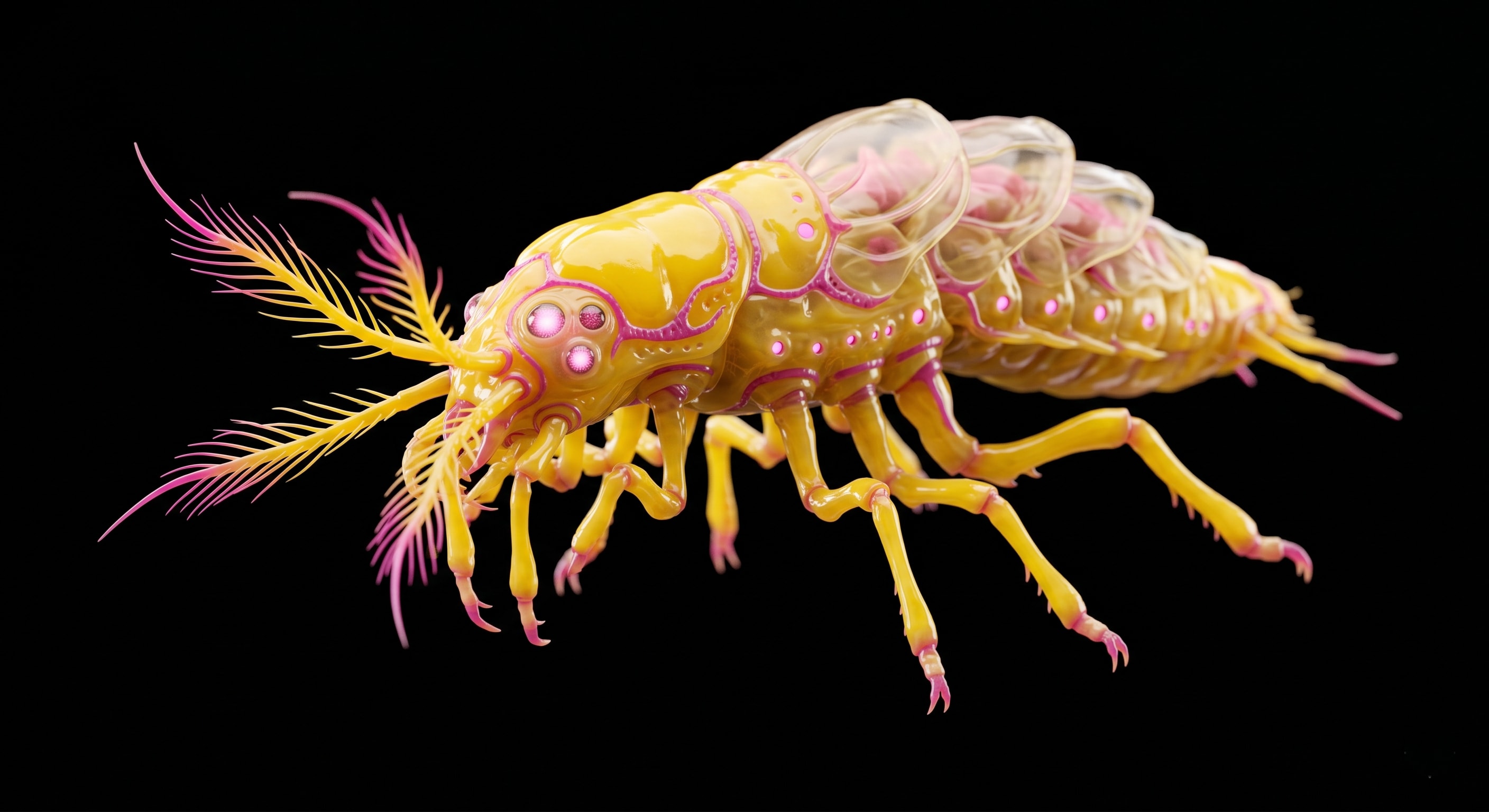
Discovered in the twilight belt of Kepler-442b, this translucent organism drifts through low-density atmospheric layers emitting rhythmic pulses of blue-violet light. Its membrane appears to function as both a respiratory organ and a communication array, synchronising with nearby colonies in patterns too complex for random chance.

Kepler-442b, Lyra System

March 14, 2099

Atmospheric, 12–18 km altitude

0.3 — 2.1 metres

ACTIVE STUDY · LIVE SPECIMENS HELD
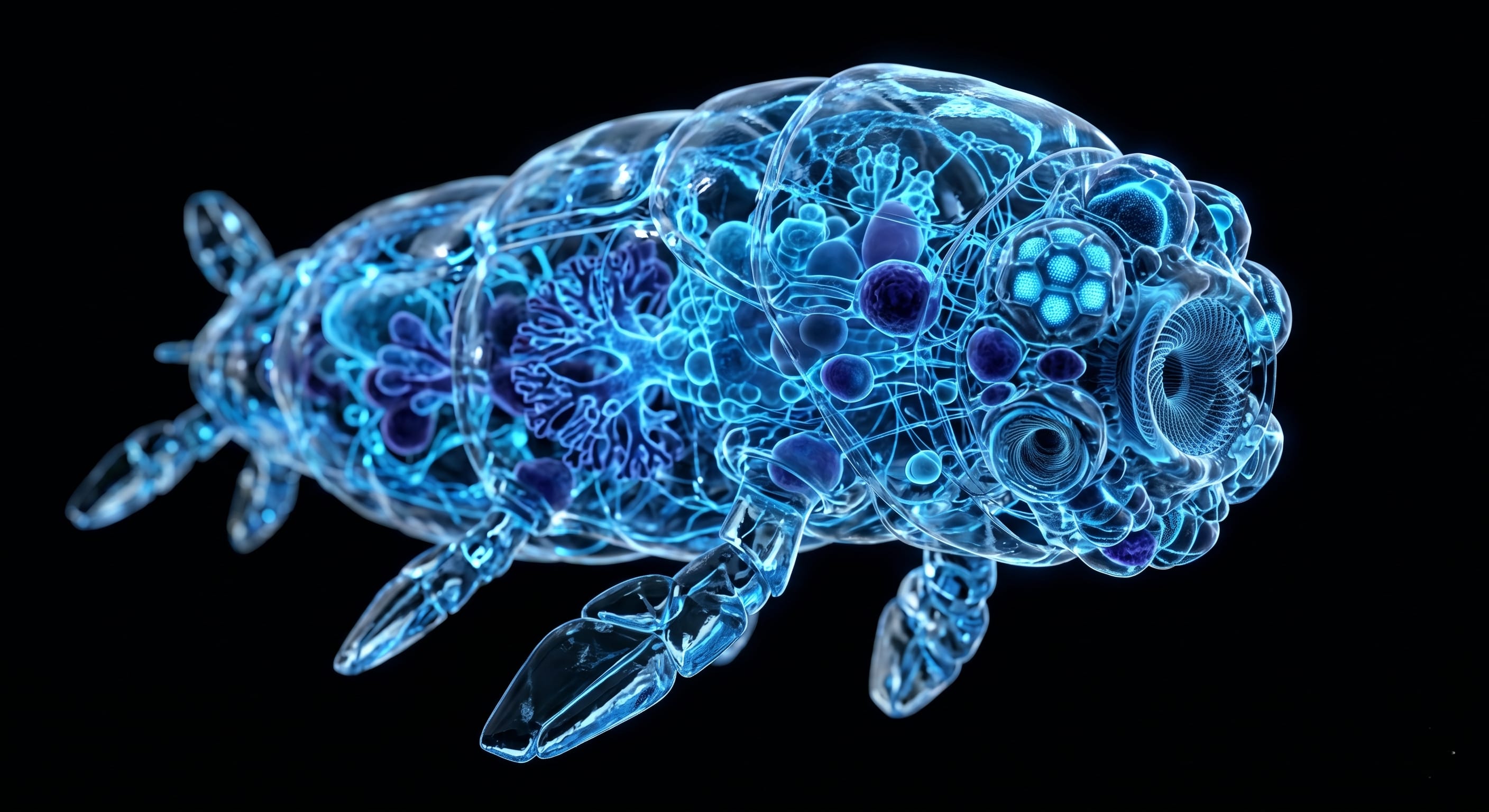
CLASS: CRYSTALLOBIOTA
Terraxis Umbra
SPECIMEN 002 / TRAPPIST-1e

Terraxis
Umbra

Terraxidae · Umbrifera

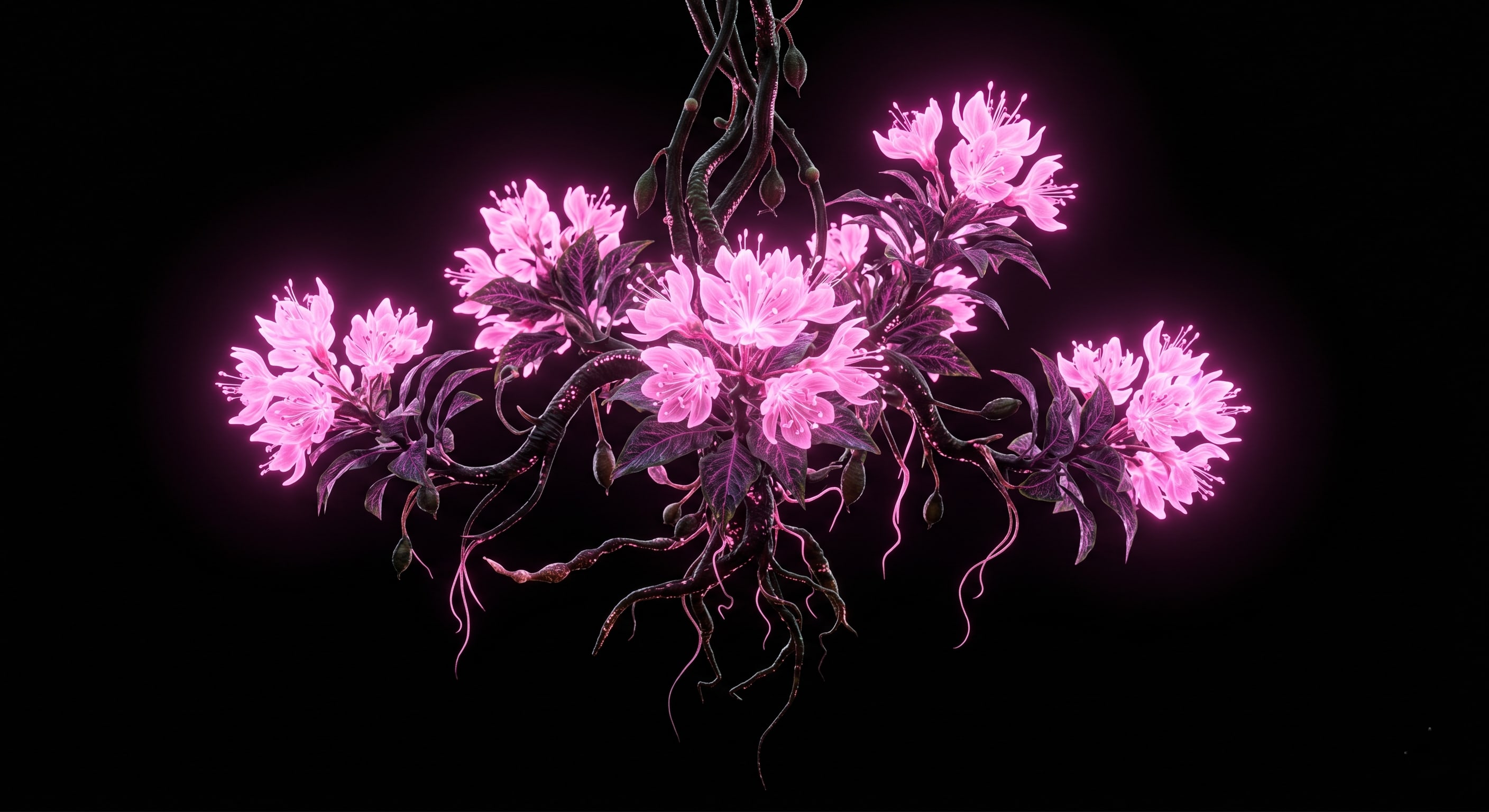
A sessile crystalline lifeform anchored to the basalt plains of TRAPPIST-1e, Terraxis Umbra metabolises infrared radiation through its lattice-like body structure. Under spectral analysis, its inner framework reveals ordered molecular sequences that challenge existing definitions of carbon-based life entirely.

TRAPPIST-1e, Aquarius Cluster

July 2, 2099

Surface, volcanic substrate

12 — 80 centimetres

SAMPLES RETRIEVED · LAB ANALYSIS
CLASS: AURIFILAMENTAE
Solmira Chrysea
SPECIMEN 003 / HD 40307g

Solmira
Chrysea

Solmiridae · Chryseae

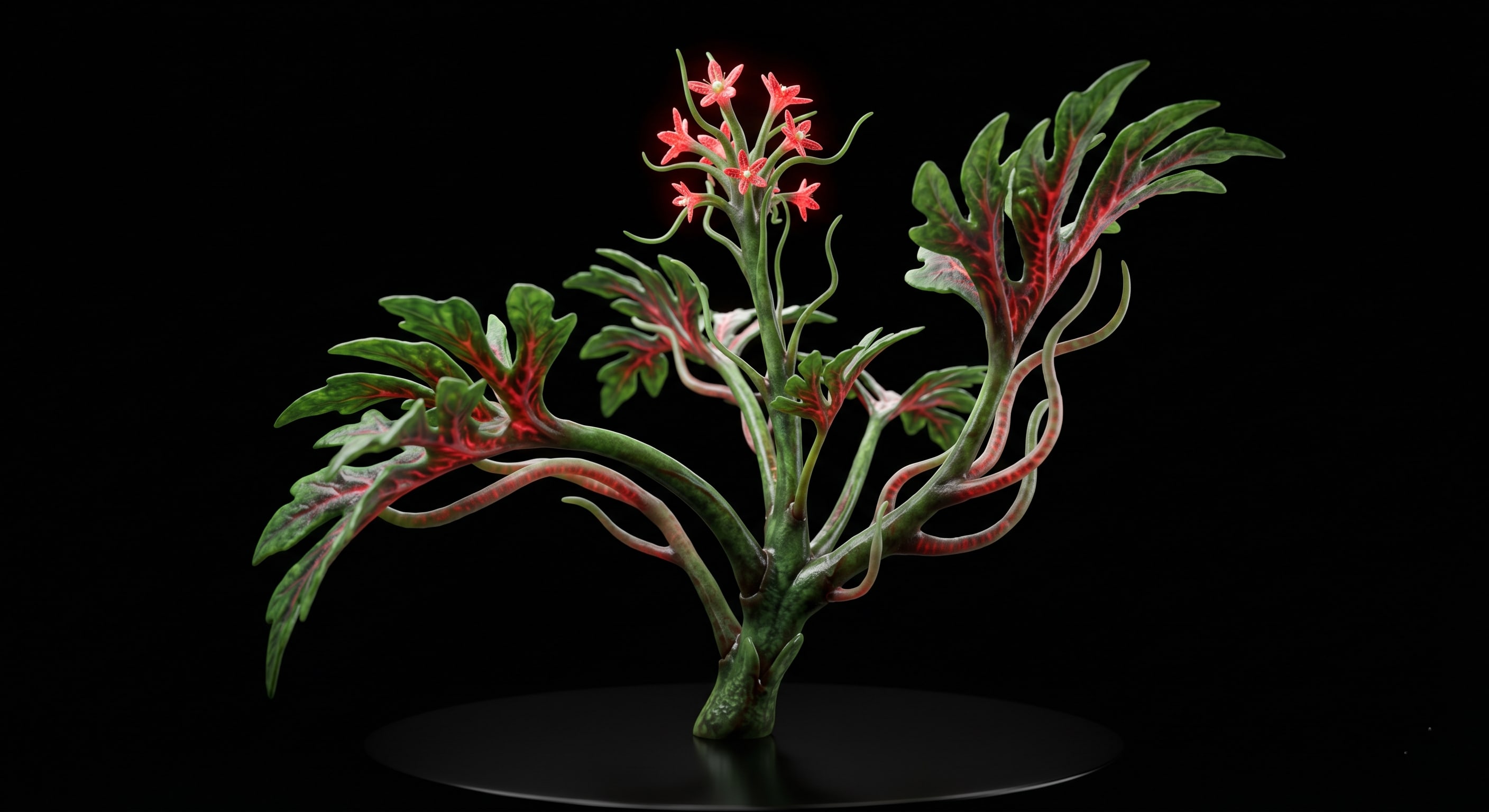
Spanning up to forty metres in length, Solmira Chrysea forms golden filamentous networks across the upper soil layer of HD 40307g. Its root-like tendrils appear to exchange electrochemical signals across vast distances, suggesting a distributed nervous system without a central processing node — the first confirmed example of truly decentralised cognition in xenobiology.

HD 40307g, Pictor System

October 19, 2099

Subterranean, mineral-rich soil

3 — 40+ metres

FIELD OBSERVATION · NON-INVASIVE
CLASS: AEROPLANKTONAE
Nexaphyte Caelum
SPECIMEN 004 / EUROPA-PRIME MOON

Nexaphyte
Caelum

Nexaphytidae · Caelestia

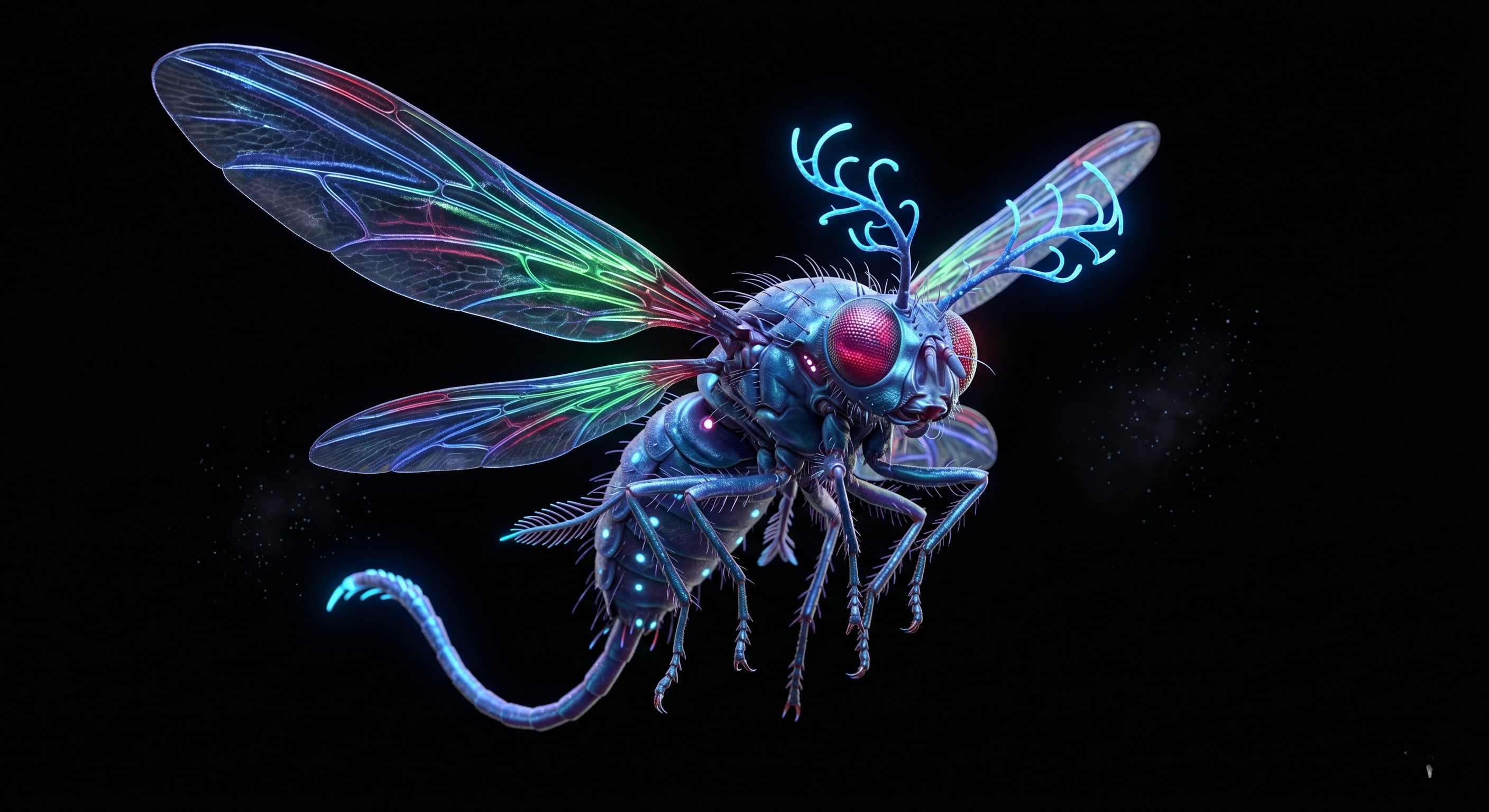
Microscopic in isolation yet awe-inspiring in mass formation, Nexaphyte Caelum congregates in vast iridescent clouds above the hydrogen-rich moon designated Europa-Prime. Each individual unit measures less than two millimetres, yet colonies of billions create self-organising geometric formations that rotate in perfect synchrony against prevailing wind patterns.

Europa-Prime Moon, Tau Ceti

January 8, 2100

Upper atmosphere, gas giant moon

0.1 — 2 millimetres

CONTAINMENT SAMPLES · STUDY ONGOING
CLASS: ABYSSOBIONTA
Oblivara Thalassa
SPECIMEN 005 / ENCELADUS-VII

Oblivara
Thalassa

Oblivaridae · Thalassae

Recovered from the superheated hydrothermal vents of Enceladus-VII's subsurface ocean, Oblivara Thalassa is the first confirmed macroscopic organism discovered beneath an extra-terrestrial ice shelf. Its pale, elongated body is entirely eyeless, navigating by pressure differential and chemical gradient. Preliminary genetic analysis reveals no shared ancestry with any known Earth phylum.

Enceladus-VII, Sigma Draconis

April 3, 2100

Deep ocean, hydrothermal vents

4 — 11 metres

CRITICAL DISCOVERY · PRIORITY RESEARCH
CLASS: MAGNETOBIONTA
Ferraxis Pulsar
SPECIMEN 006 / PROXIMA CENTAURI b

Ferraxis
Pulsar

Ferraxidae · Pulsarae

Detected initially as anomalous electromagnetic interference in our survey drones, Ferraxis Pulsar proved to be a slow-moving organism navigating Proxima Centauri b's iron-rich plains via self-generated magnetic fields. Its outer shell is composed almost entirely of magnetite, and in groups of three or more, individuals spontaneously align to form temporary living circuits capable of storing electrochemical data.

Proxima Centauri b, Alpha Centauri

May 17, 2100

Iron plains, magnetic pole zones

20 — 55 centimetres

ACTIVE STUDY · FIELD STATION ALPHA
CLASS: CRYOBIONTA
Glacivara Sestris
SPECIMEN 007 / TITAN-DELTA MOON

Glacivara
Sestris

Glacivaridae · Sestrinae

Encased in a self-secreted shell of methane ice, Glacivara Sestris drifts across the nitrogen lakes of Titan-Delta at a pace imperceptible to the naked eye. Its metabolism operates at temperatures approaching absolute zero and appears to accelerate during stellar flares, hinting at a photon-harvesting mechanism unlike anything documented in terrestrial biology.

Titan-Delta Moon, 55 Cancri

June 29, 2100

Methane lake surface, cryo-zones

5 — 22 centimetres

CRYO-PRESERVED · TRANSIT TO EARTH LAB
CLASS: RADIOPHAGA
Auroryx Venaris
SPECIMEN 008 / WOLF 1061c

Auroryx
Venaris

Auroryxidae · Venarifera

Living in the permanent aurora zones of Wolf 1061c's polar caps, Auroryx Venaris metabolises ionising radiation directly, converting high-energy particle streams into biochemical fuel. Its translucent dorsal membrane refracts ambient auroral light into shifting spectral displays that appear to serve as territorial signalling. The species has no known predators and may be the apex lifeform of its ecosystem.

Wolf 1061c, Ophiuchus System

August 11, 2100

Polar aurora belt, high radiation

1.2 — 3.8 metres

OBSERVATION ONLY · PROTECTED STATUS
CLASS: SILICOBIONTA
Lithomira Quieta
SPECIMEN 009 / GJ 667Cc

Lithomira
Quieta

Lithomiridae · Quietanae

Indistinguishable from native rock formations to the unaided eye, Lithomira Quieta was only identified when thermal imaging revealed slow cyclic heat signatures beneath canyon walls of GJ 667Cc. Silicon-based at its core, this organism reproduces by fracturing along crystallographic fault lines and takes an estimated 340 years to reach full maturity — making each confirmed individual an irreplaceable scientific record.

GJ 667Cc, Scorpius System

October 5, 2100

Canyon walls, silicate substrate

0.4 — 6 metres

HERITAGE CLASSIFICATION · NON-INVASIVE ONLY